













Issue 25
Read
Chapter 12
A model of sustainability and conservation in the Philippines, supported by Blancpain through its Ocean Commitment program.


Standing outside of a circus tent, you might guess what’s inside, full of potential wonder and magic. But its contents remain invisible until you lift the flap and step through. Standing on the shore of the ocean, gazing at its endless, undulating surface is much the same. But then you put on a mask, strap on a pair of fins, and dive in. It is only then that you witness the riot of color, the menagerie of creatures, and the spectacle that is under the surface. All of the world’s oceans are fascinating and full of diversity and mystery, but perhaps none more so than the swath of sea that straddles the Indian and Pacific Oceans known as the Coral Triangle. This is a truly magical circus.
The Coral Triangle is a vast region of tropical ocean covering 2.2 million square miles between Indonesia, Malaysia, the Solomon Islands, and the Philippines. Aptly known as the “Amazon of the seas” this sprawling aquatic region is home to almost 80% of the world’s shallow growing coral species, over a third of all fish species, and the world’s largest mangrove forest. Many pockets of the Coral Triangle, including Tubbataha Reef in the Philippines and Raja Ampat in Indonesia, are meccas for recreational scuba divers, as well as marine scientists, due to their biodiversity and prodigious marine life.
But the Coral Triangle is no Eden. Like the rest of the world’s oceans, it is under tremendous stress from a number of threats including acidification, coral bleaching, rising water temperatures, and overfishing. Addressing these numerous threats, while a top priority among conservationists, can seem overwhelming and insurmountable, and yet there are signs of hope. One of those signs is on the smallest of scales, in a tiny corner of the Sulu Sea in the Philippines. It is Pangatalan island. Despite its humble size, it has big implications and is an example for the rest of the Coral Triangle and for the world’s oceans.
OUT OF A DREAM COMES PROGRESS
When French real estate developer, Frédéric Tardieu, and his wife, Chris, first bought Pangatalan in Shark Fin Bay, off of Palawan, they envisioned a sort of utopian island retreat on which they could live, far from the cares of the world. It seemed an idyllic place set in an untouched tropical sea. The island itself needed rehabilitation— the cleanup of past human presence, and the restoration of mangroves around its perimeter. But it was when Tardieu donned his mask and dove below the surface that he saw the real work to be done. Years of irresponsible fishing using dynamite and cyanide had devastated the fish populations and destroyed or severely depleted the corals. Tardieu had pulled open the circus tent flap, but saw it was empty inside. He had discovered a new mission, and he and Chris started the Sulubaaï Environmental Foundation to carry it out.
Blancpain Ocean Commitment has been supporting the Sulubaaï Foundation, as well Sea Academy, since 2020. The Sea Academy programme is a collaborative initiative aimed at sustainable marine resource management focusing on creating a network of marine protected areas (MPAs) in partnership with local communities around Pangatalan Island and Shark Fin Bay in the Philippines. Its key principles are Protection, Restoration, Education, and Replication and it supports ecosystem restoration, scientific research, and educational initiatives to raise awareness and promote sustainable practices.
Blancpain, the creator of the world’s first purpose-built diving watch, with a long history of supporting underwater exploration, takes the health of the world’s oceans as a matter of great importance and responsibility. The Ocean Commitment program was the brainchild of Blancpain CEO, Marc A. Hayek, an avid diver himself. Its aim is to support worthy efforts in the fields of ocean conservation, research, and the arts. The Sulubaaï Foundation is exactly the kind of effort the BOC looks to support: grassroots, ambitious, and innovative. This support has paid off, and the Sulubaaï Foundation, and its work in Shark Fin Bay, has not only been a success, but it is also a microcosmic example for how to conduct similar rehabilitation and conservation efforts in other places.
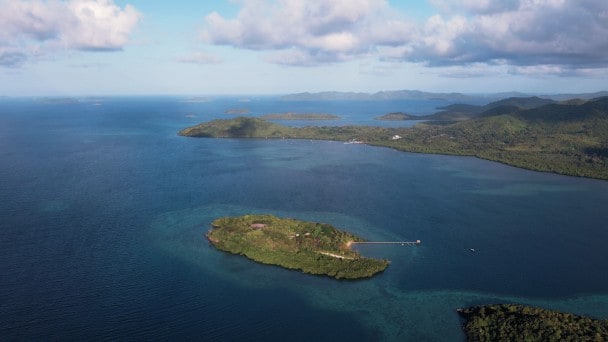
PANGATALAN ISLAND
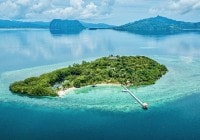
Located northeast of Palawan Island (Philippines), in Shark Fin Bay, Pangatalan has a surface area of a mere 4.5 hectares. When Frédéric and Chris Tardieu arrived in 2016, they implemented necessary measures to halt the island's degradation and restore its ecosystems. The first efforts focused on land: terracing and planting helped limit erosion, which also benefited marine ecosystems. Once this objective was achieved, they worked to restore the coral reefs around the island. It is now the epicenter of the Sulubaaï Environmental Foundation, a living laboratory, and a model of conservation and sustainability, with fish population enhancement, coral reef restoration, solar energy use, organic farming, and local water collection.
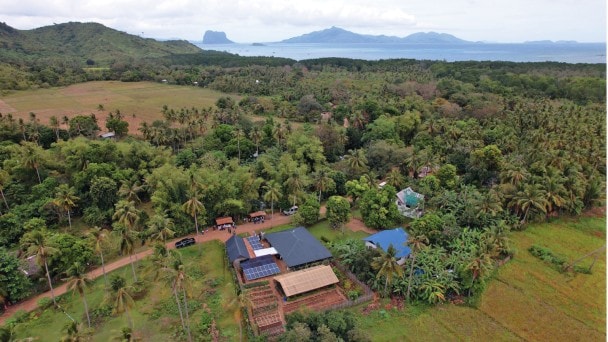
The newly opened Blancpain Sulubaaï Marine Research Centre in Sandoval.
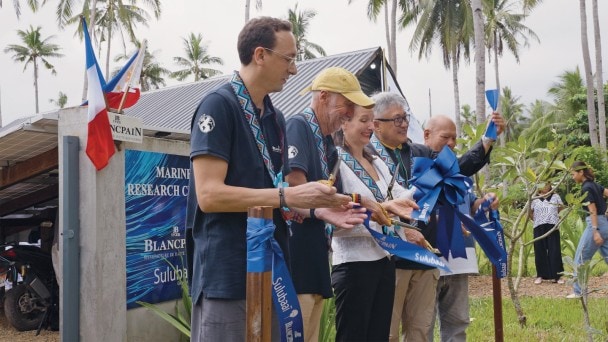
From left to right: Gaël Nicolle, Blancpain Ocean Commitment Manager; Frédéric Tardieu, President of the Sulubaaï Environmental Foundation; Her Excellency Marie Fontanel, Ambassador of France to the Philippines; Hon. Dennis M. Socrates, Governor of Palawan; Hon. Christian Rodriguez, Mayor of Taytay.
Over the past decade, through coral reef restoration, marine life cultivation, and working with local and national governments, the Sulubaaï Foundation has been a success story for the waters around Pangatalan. In February 2025, the foundation’s advocacy led to the creation of a fifth MPA in Shark Fin Bay, which enhanced the larger goal of creating a network of MPAs. These prohibit large scale fishing practices within 500 meters of each marine area, to ensure continued rehabilitation of coral reefs and an increase in fish populations. A sixth MPA was just established in June of 2025.
February also saw the opening of the Blancpain x Sulubaaï Marine Research Center in the village of Sandoval, on Palawan. The center, whose construction Blancpain underwrote, provides a first ever site for students and scientists to carry out research in close proximity to Shark Fin Bay. The facility offers basic scientific capabilities, computer connectivity, as well as sleeping quarters for visiting researchers. It serves as a hub for biodiversity and marine ecosystem restoration, and is a model of sustainability through its use of renewable solar energy, organic gardening, and a water well. The center offers facilities and opportunities for research students to conduct fieldwork and advanced studies, and provides training for local fishers, teachers, and environmentalists, ensuring the long-term conservation of Palawan‘s marine ecosystem and its marine protected areas.
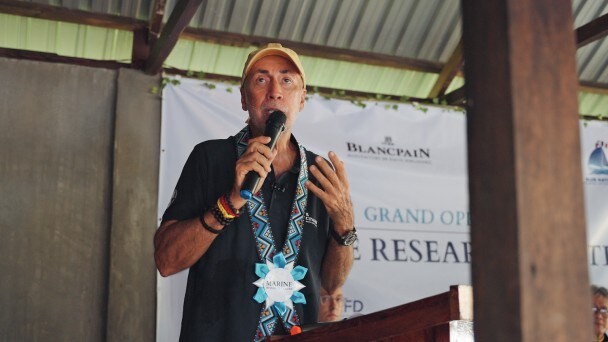
Frédéric Tardieu, the founder of the Sulubaaï Environmental Foundation.
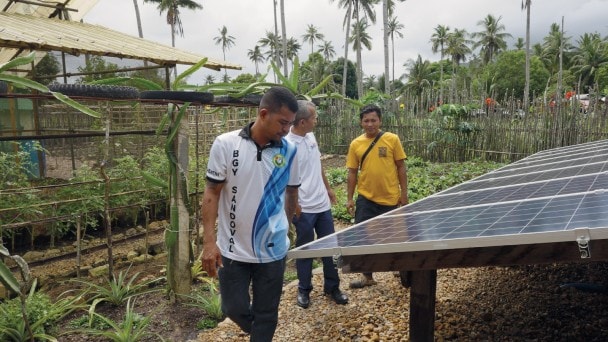
Sustainability is a key goal for the Marine Research Center.
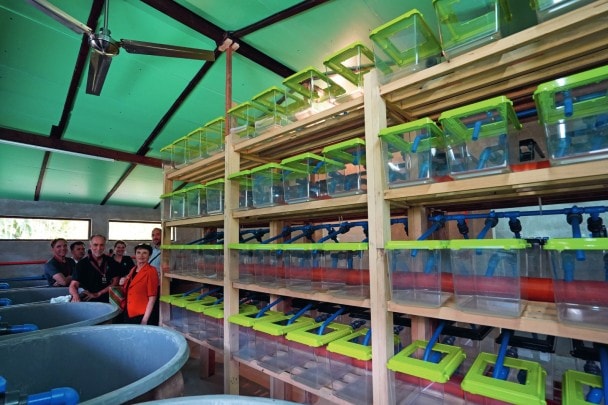
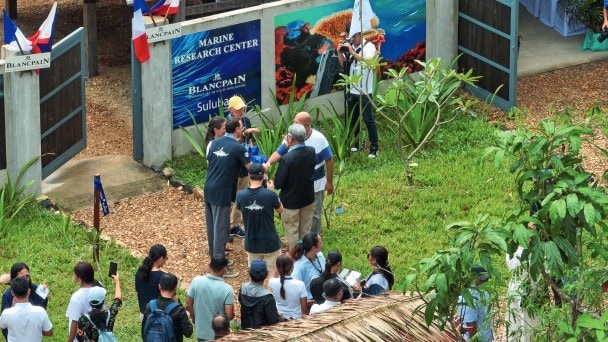
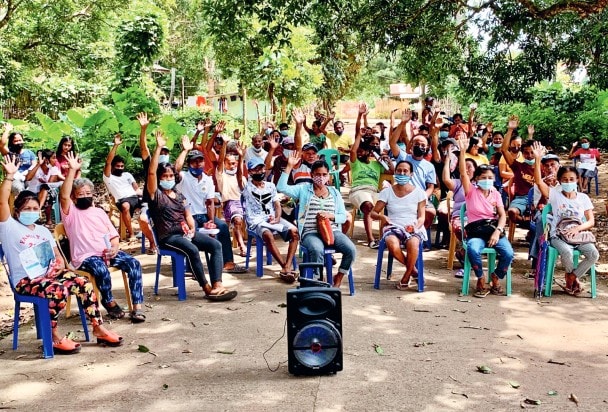
Local support for the Marine Research Center is key to its long term success.
A DIVE WATCH THAT INSPIRES
In the modern era of scuba diving, a dive watch represents so much more than simply a means to track elapsed time underwater. It is a symbol of adventure, a memento that collects the experiences of its owner, and an inspiration to keep exploring. It was a diving watch that inspired me to learn to dive and it changed my life, and taught me to love the ocean. Jacques-Yves Cousteau once said, “we protect what we love,” and if a watch can lead to diving, and that can lead to an awareness and love for the sea, then it can lead to a desire to protect it. Blancpain takes this a step further, with its limited edition Blancpain Ocean Commitment (BOC) watches, whose proceeds have been used to fund conservation efforts over the years.
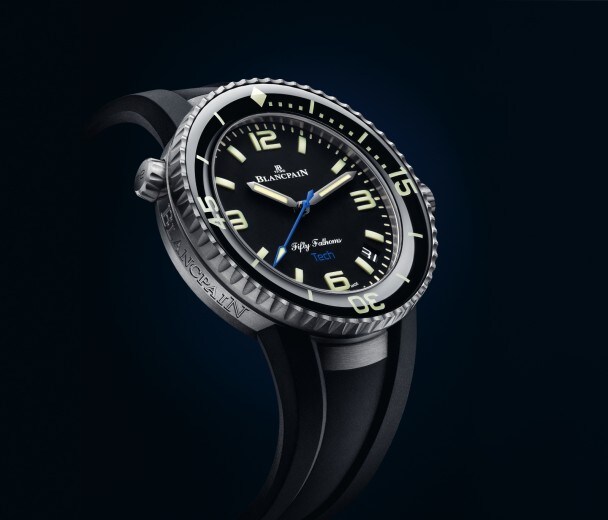
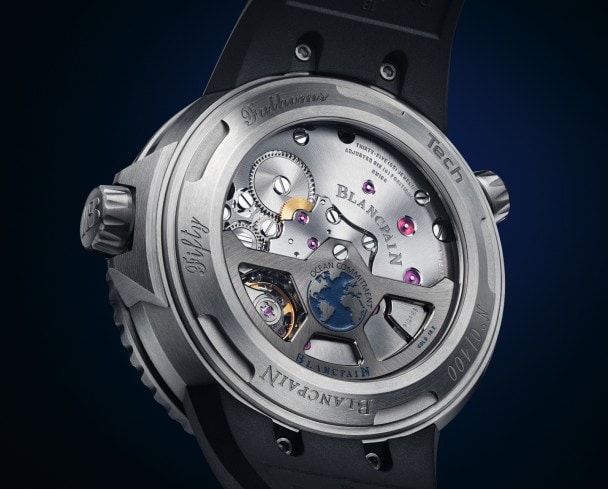
The fourth edition of this special watch lineage, launched in March of 2025, is called the Blancpain Fifty Fathoms Tech Ocean Commitment IV. It is based on the formidable Fifty Fathoms Tech Gombessa that was launched in 2023 in collaboration with Blancpain partner, the renowned marine scientist and photographer, Laurent Ballesta. It features a grade 23 titanium case, 45 millimeters in diameter, with an integrated rubber strap, an „absolute black“ dial that absorbs 97 % of all available light, a helium release valve, sloping, domed ceramic bezel, and the manufacture calibre 1315A with 120 hours of power reserve and an a-magnetic silicon escapement. Electric blue accents on the dial and seconds hand hint at the special nature of this brand new timepiece, and the winding rotor, visible through the sapphire caseback, sports the BOC logo. Only 100 watches were made, and the proceeds from their sale help fund the continued operation of the Blancpain x Sulubaaï Foundation Marine Research Center.
THE FIFTY FATHOMS TECH BOC IV
Limited to only 100 pieces, the new Fifty Fathoms Tech BOC IV adopts the design of the Fifty Fathoms 70th Anniversary Act 2 Tech Gombessa. With a diameter of 45 mm and a thickness of 14.1 mm, the BOC IV is perfect for both underwater diving and everyday wear. This model embodies Blancpain's innovation and watchmaking excellence, as well as its commitment to the oceans.
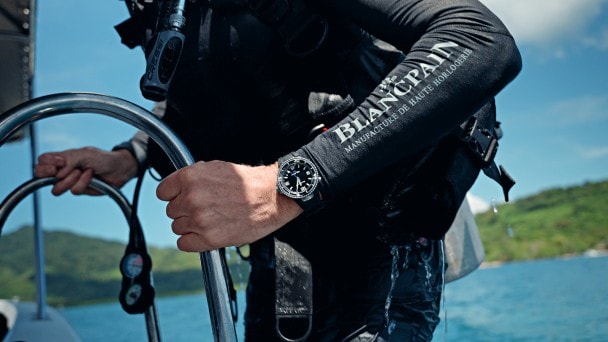
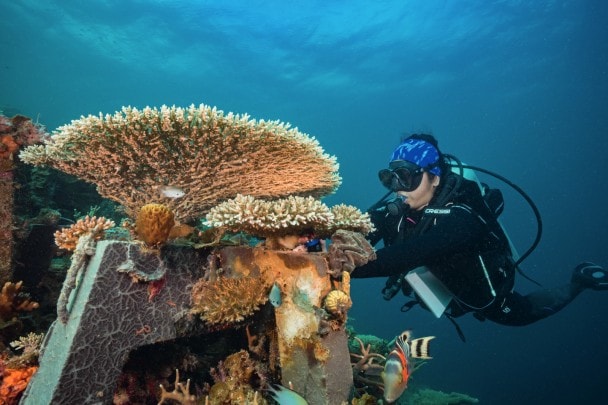
Diving in a newly established marine protected area is something special and this was not lost on me as I backrolled into the warm water above Little Tubbataha Reef in the shadow of Shark Fin Bay’s namesake peak. Upon descending to the shallow dome of soft and hard corals, lit by dappled shafts of sunlight, it was immediately apparent how the efforts of conservationists like the Sulubaaï Foundation, in cooperation with local communities and government, can make a difference. Nature is remarkably resilient when given protection and a chance. Whereas only a decade earlier, this reef would have been full of dead coral and largely empty of fish, it now thrived with color and life swimming above waving sea fans and sea anemones: lobsters, lionfish, turtles, pufferfish, clownfish, and alien-looking batfish.
The dive was shallow and warm enough that our group was able to spend an hour finning around this serene, healthy reef. I know this because on my wrist was the new Fifty Fathoms Tech BOC IV. It’s no surprise that the watch, whose lineage can be traced back to the very first Fifty Fathoms of 1953, seems right at home on a wrist 10 fathoms deep. The contrast of bright white hands against that inky dial and prominent timing ring left no doubt as to my dive time, and there is something reassuring—and yes, thrilling—to watch the steady march of a seconds hand driven by a sophisticated train of gears and springs, protected from the extremes of water pressure. It also seemed fitting to be wearing the BOC IV in the place that inspired its creation.
THE EVOLUTION OF HOPE
Back when Frédéric and Chris Tardieu were embarking on the restoration of the marine ecosystem around Pangatalan island, they enlisted the help of marine bi ologists to assess the state of the reef by diving visual surveys, photogrammetry, and the use of aerial drones. Laurent Ballesta’s Gombessa Expeditions team also visited Shark Fin Bay to capture photos and video around the island, as well to carry out scientific research and assessment of the ecosystem. In those early days, the reef was still in a poor state, but Ballesta did manage to find an ancient creature whose presence was a reason for optimism. The horseshoe crab, an animal that has been on Earth, with little change, for over 450 million years, was seen in the muddy sea floor not far offshore from the island. Ballesta fired off a series of photos, one of which would later win the Wildlife Photo grapher of the Year Grand Title award, for the second time. The fact that such a timeless creature would still be found in Shark Fin Bay is an indication not only of its resilience but of the ocean’s ability to sustain life through great hardship. All the more reason to preserve and protect it. The horseshoe crab has become a fitting symbol of the Shark Fin Bay ecosystem and is, in fact, incorporated into the logo of the Sulubaaï Environmental Foundation.
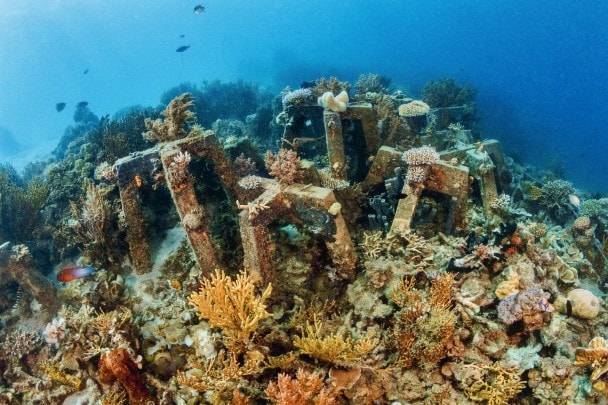
In contrast with the slow evolution of this subaquatic arthropod, the SEF is growing much more quickly. The Blancpain x Sulubaaï Marine Research Center is the latest in this evolution. The grand opening event in February was welcomed by dignitaries and local residents, alike, and its presence will enhance the awareness, research, and protection, of Shark Fin Bay for many years to come. Educating local residents—including children, teachers, and fisherpeople—about the importance of a healthy ecosystem is vital to the sustained pro tection of these waters. Fish population enhancement through postlarvae capture and cultivation will give a boost to the resurgent marine life, and coral restoration, utilizing the „Sulu-Reef-Prosthesis“ method (artificial reef structures), will continue to stabilize damaged coral areas and promote natural coral growth.
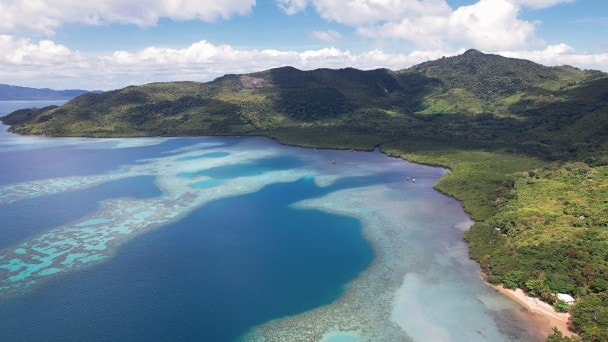
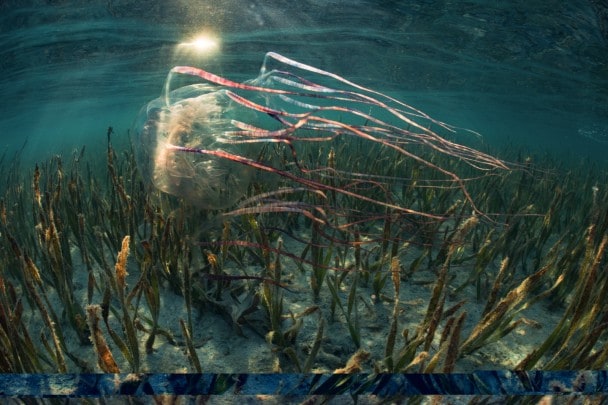
Shark Fin Bay is an example of how the ocean will recover if given the chance.
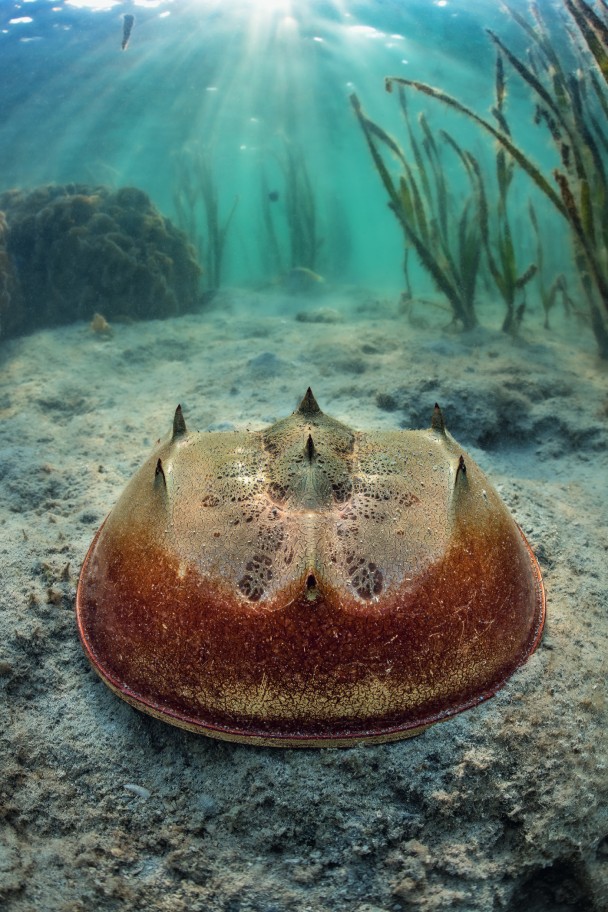
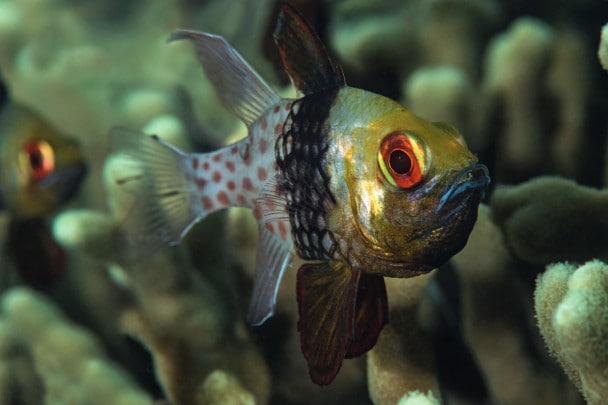
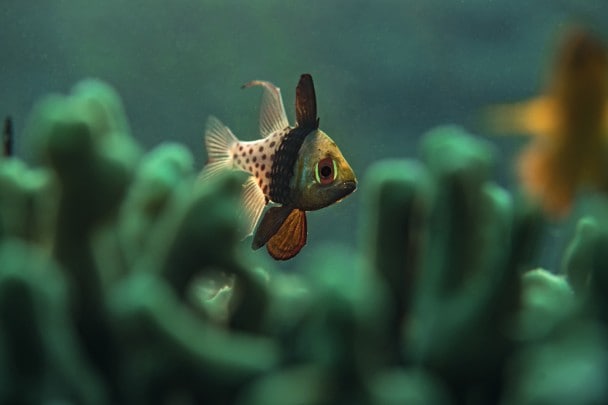
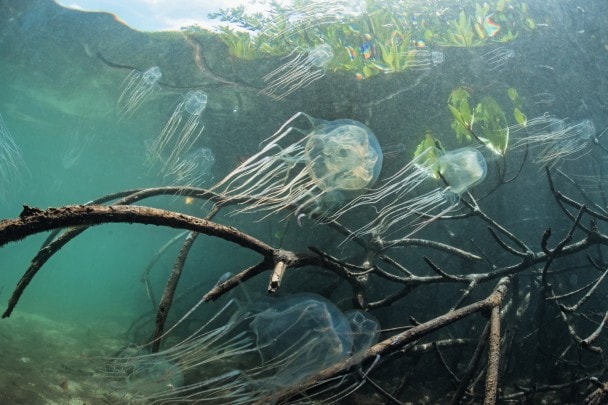
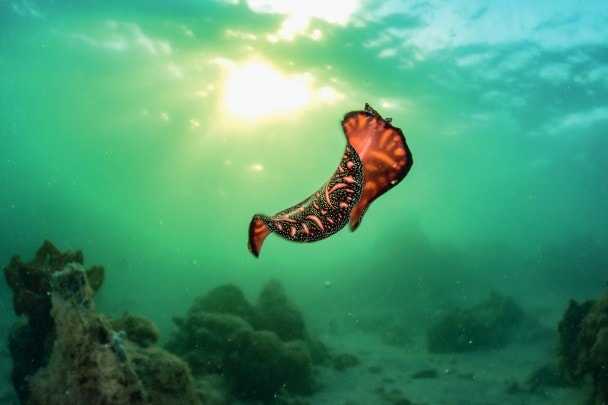
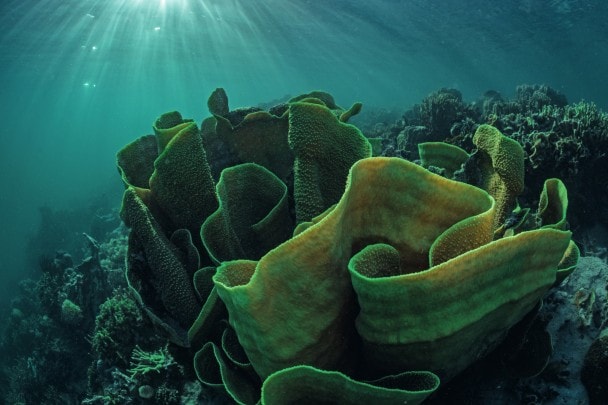
Through rehabilitation and responsible stewardship and awareness, Shark Fin Bay has become a prolific and healthy ecosystem once again.
A SCALABLE MODEL OF RESTORATION AND SUSTAINABILITY
The marine research center, and the efforts made by the Sulubaaï Environmental Foundation, are prime examples of how effective focused efforts can be to reverse ecosystem degradation and to restore areas of the ocean to not only survive but to thrive. It is a model that can be scaled up anywhere in the world, beyond Shark Fin Bay, beyond the Sulu Sea, and even the Coral Triangle. It stands as a testament to the power of collaborative efforts in addressing environmental challenges.
By integrating scientific innovation, community engagement, and sustainable practices, the foundation and the marine research center will not only work to restore Palawan‘s marine ecosystems but also to inspire global initiatives aimed at preserving our planet‘s invaluable marine biodiversity. It is a model that Blancpain Ocean Commitment is proud to support. To visit Shark Fin Bay today is, once again, like going to the circus. Standing on the mangrove-thick shore of Pangatalan island, one sees the great surface of the bay, beckoning you to pull open the flap and come inside. And when you do, you’re greeted with the greatest show on Earth.
BLANCPAIN OCEAN COMMITMENT
Exploration and preservation of the world’s oceans is core to Blancpain. With its legacy of the Fifty Fathoms, the first true diver’s watch, extending over 70 years, Blancpain has maintained a full commitment to exploring, preserving, and achieving a better understanding of the world’s oceans. Over the years, Blancpain has become close to the explorers, photographers, scientists, and environmentalists who treasure the precious underwater resource. With that affinity has come a determination to support important activities and initiatives dedicated to the oceans.
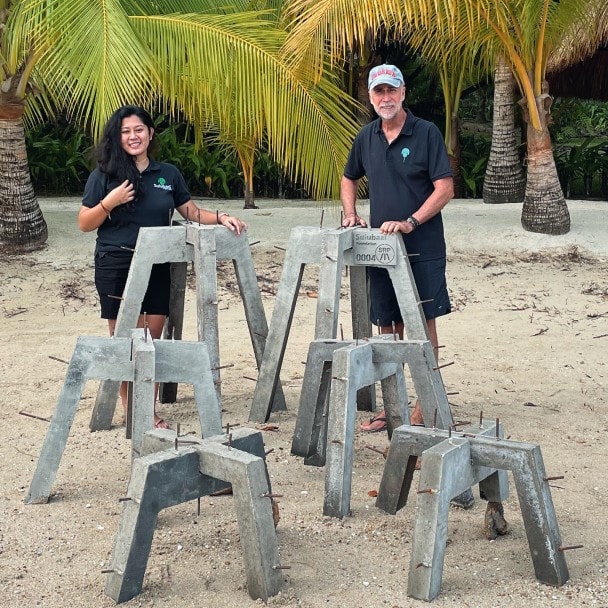
The Sulu-Reef-Prostheses (SRP) are artificial reef modules that provide new habitats for marine life and are designed and manufactured on the island.

Chapter 13
The Indonesian species of the coelacanth, Latimeria menadoensis, had never before been encountered—let alone photographed— by a diver. This is the story of a scientific and human adventure, 145 metres below the surface.